

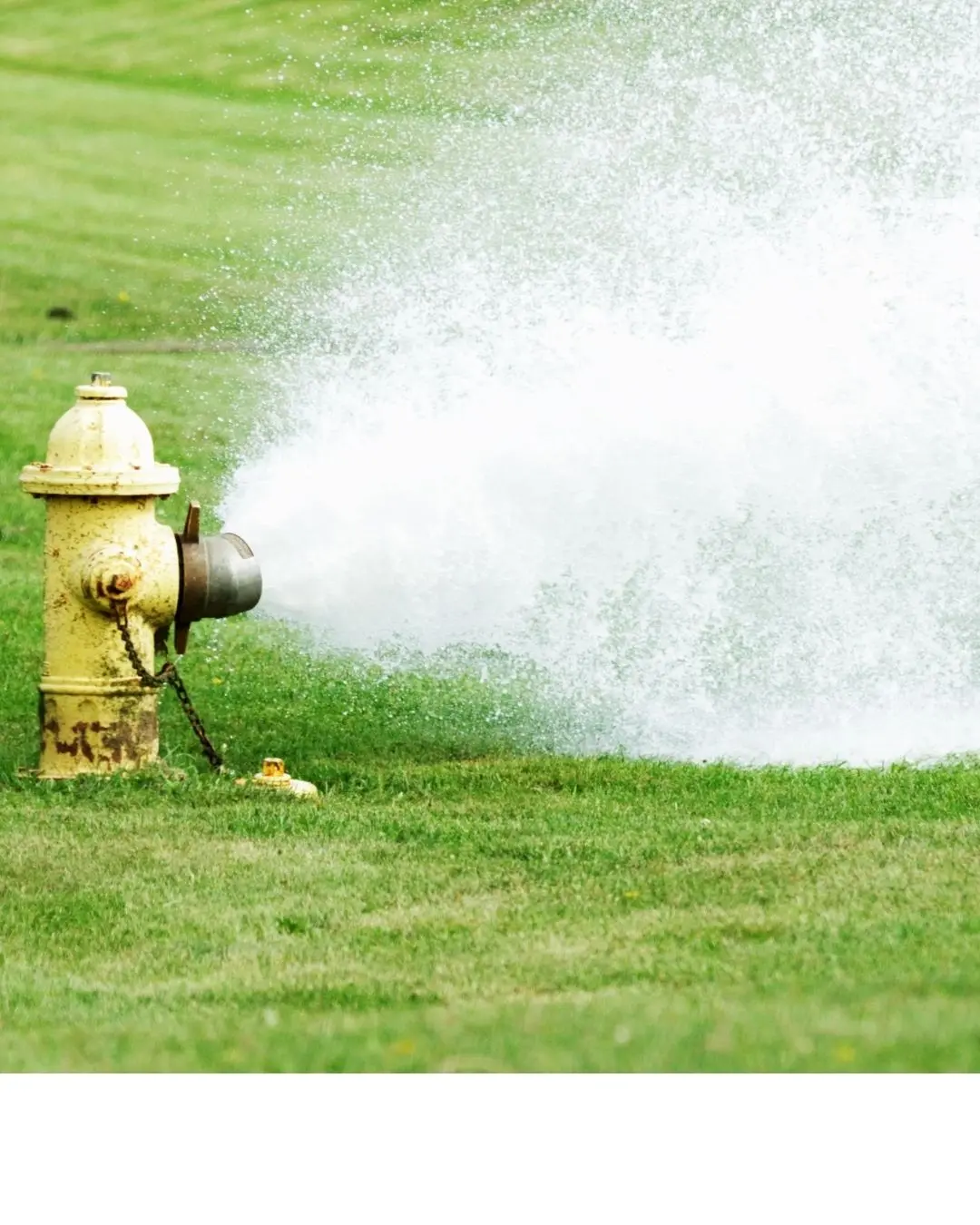
The Fire Hydrant Testing and Maintenance Schedule at a Glance
If you manage a commercial property, an industrial site, or a multi-building campus, the fire hydrants on your grounds are easy to forget until an inspector, an insurer, or a fire marshal asks about them. Building a clear fire hydrant testing and maintenance schedule takes that uncertainty off your plate and keeps your property protected and compliant. This guide breaks down what a property manager actually needs to plan for, how often each task should happen, and how to keep the records that prove it.
What a Fire Hydrant Testing and Maintenance Schedule Should Cover
A complete fire hydrant testing and maintenance schedule is not a single yearly to-do item. It is a small set of recurring tasks that happen on different timelines, each tied to a specific safety and compliance goal. Understanding how they fit together is the first step toward a plan you can actually budget for and hand off to a certified crew.
Annual Inspections: The Backbone of Your Schedule
The foundation of any fire hydrant testing and maintenance schedule is the annual inspection. In North Carolina, a fire hydrant should be inspected at least once a year to confirm it is accessible, undamaged, and ready to operate. During this visit, a technician checks the flange and bonnet bolts for corrosion, inspects caps and nozzles for wear, confirms the hydrant sits upright, and verifies nothing blocks access. If your site uses dry-barrel hydrants, plan for two inspections a year instead of one, since these units drain after use and need a check each spring and fall. Setting up a recurring annual visit through Hydrant Mechanics' fire hydrant system maintenance service keeps this backbone task off your calendar and in expert hands.
Flow Testing Every Five Years
While inspections happen yearly, full flow testing sits on a longer cycle. Fire hydrants should be flow tested at least once every five years to confirm the water pressure and volume will actually perform when firefighters need them. Flow testing measures whether a hydrant delivers enough gallons per minute at adequate residual pressure to fight a fire on your property. Because this is a technical measurement rather than a visual check, it belongs with certified technicians who understand the full range of fire hydrant services and can document the results for your compliance file.
Twice-Yearly Flushing to Prevent Sediment Buildup
Flushing is the maintenance task property managers most often overlook, yet it protects the whole system. A fire hydrant should be flushed twice each year, once in the spring and once in the fall, to clear the sediment that naturally collects inside the barrel and water lines. Left unaddressed, that buildup can restrict flow or, in a worst case, keep a hydrant from working at all during an emergency. Folding twice-yearly flushing into your fire hydrant testing and maintenance schedule is a small, low-cost step that prevents an expensive and dangerous failure later.
Why the NFPA 25 Standard Shapes Your Schedule
For property managers, the reason all of this matters comes down to a single standard. NFPA 25 is the Standard for the Inspection, Testing, and Maintenance of Water-Based Fire Protection Systems, and it is what inspectors and insurers reference when they evaluate your site. Aligning your fire hydrant testing and maintenance schedule with NFPA 25 is how you demonstrate that your hydrants are inspected on a regular basis, that leaks and corrosion are caught and repaired promptly, and that valves and gaskets meet performance standards.
What Compliance Means for Liability and Insurance
A documented schedule is more than a safety measure — it is a liability shield. When you can show a consistent record of inspections, flow tests, and repairs, you protect your organization if a hydrant ever fails or an incident occurs. Insurers and fire marshals want to see that maintenance happened on a defined cadence, not that it was handled reactively after a problem surfaced. If an inspection turns up a fault, having a partner who can move straight into fire hydrant repairs keeps a small finding from becoming a compliance gap.
Keeping Records That Prove Your Schedule
The other half of compliance is documentation. Each inspection should produce a report detailing what was checked and an action plan for anything that needs attention. As a property manager, keeping these reports organized gives you an audit-ready trail and makes budgeting for the next cycle far easier. A reliable service partner will respond quickly to fire marshal forms and hand you the paperwork you need, so your fire hydrant testing and maintenance schedule is not just followed but provable.
Building Your Schedule With a Certified Partner
Pulling these timelines together — annual inspections, five-year flow tests, twice-yearly flushing, and prompt repairs — is much simpler when one certified team owns the calendar. Hydrant Mechanics can set up an annual maintenance schedule for your property, ensuring your hydrants pass inspection and stay ready to perform. Their technicians are fully licensed and insured, offer a one-year warranty on hydrant repairs and replacements, and provide 24/7 emergency service across North Carolina.
Coordinating Related Water-System Tasks
Because fire hydrants rarely stand alone, it helps to work with a partner who can address the connected components of your water system at the same time. Scheduling valve repair and replacement, backflow testing and repair, and tamper switch service alongside your hydrant visits reduces the number of vendors you coordinate and keeps your entire fire-protection system aligned. Property managers overseeing a range of sites can also review the industries Hydrant Mechanics serves to see how a maintenance plan fits their specific facility type.
Getting Started in Clayton and Across North Carolina
Whether your property is in the Triangle or elsewhere in the state, building your fire hydrant testing and maintenance schedule starts with a single conversation. Property managers near the company's home base can learn more on the Clayton, NC fire hydrant services page, and teams anywhere in the state can reach out directly to map a plan for their site. To set up your schedule and keep your hydrants compliant, request a free quote or call the team at (919) 922-3829 today.